

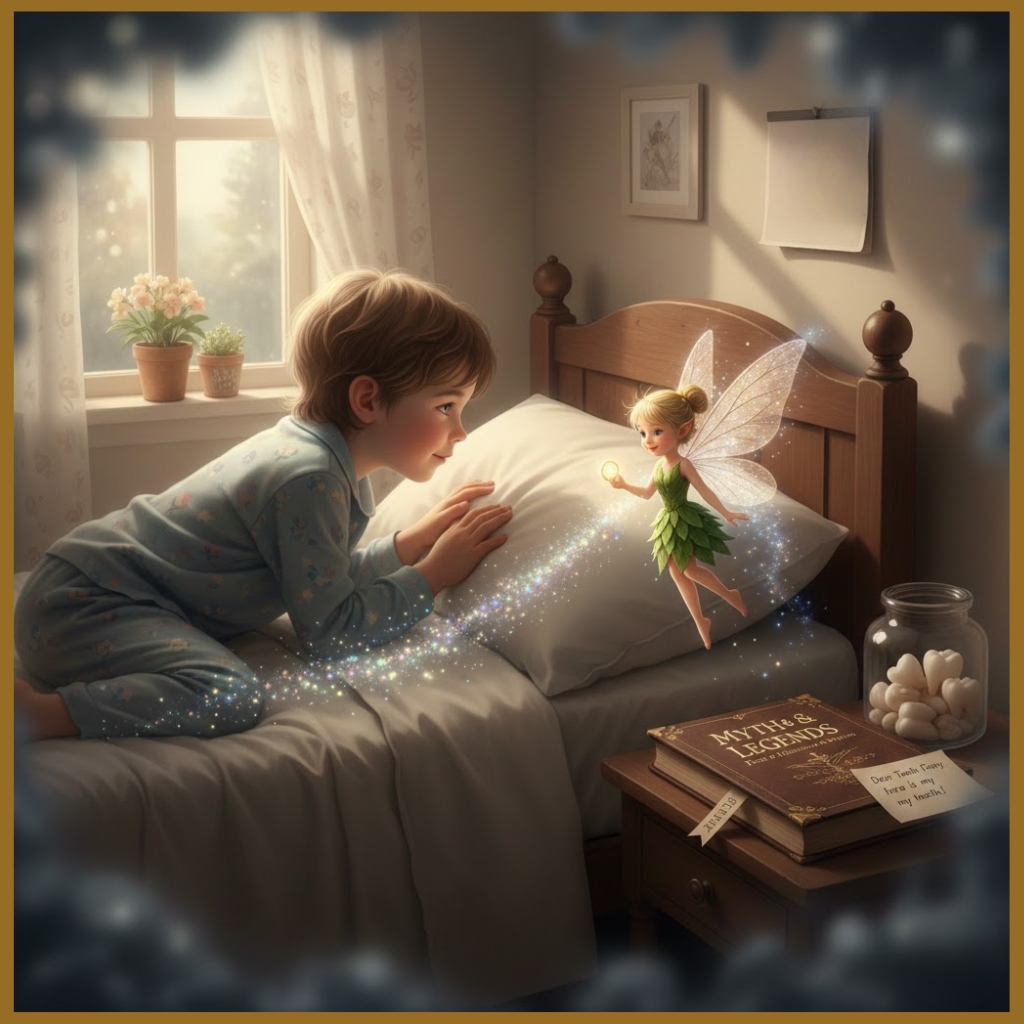
For generations, children around the world have eagerly placed a lost tooth under their pillow, hoping a tiny magical visitor will arrive overnight. The Tooth Fairy is one of the most familiar childhood myths, yet it often raises a simple, honest question: Is the Tooth Fairy real?
This article gives a clear, thoughtful answer without spoiling the magic abruptly. We’ll explore where the Tooth Fairy came from, why children believe, what psychology and science say, how parents use the tradition, and what really happens when kids discover the truth. By the end, you’ll understand not just whether the Tooth Fairy is real, but why the idea exists and what role it plays in childhood development.
What Is the Tooth Fairy Supposed to Be?
The Tooth Fairy is a fictional character created to celebrate a child losing a baby tooth. Traditionally, the fairy visits while the child sleeps, takes the tooth from under the pillow, and leaves a small reward in return.
The story acts as a symbolic childhood ritual. It transforms what could be an uncomfortable or scary experience—losing a tooth—into something positive and exciting.
How the Story Is Usually Told
Parents typically introduce the Tooth Fairy around the age when children begin losing baby teeth, usually between five and seven. The narrative is simple:
- Lose a tooth
- Place it under the pillow
- Receive a surprise
This predictable process builds anticipation and emotional comfort.
Is the Tooth Fairy Real? A Clear, Honest Answer
The Tooth Fairy is not a real physical being. There is no scientific evidence, historical proof, or documented observation showing that such a figure exists independently.
However, that doesn’t make the tradition meaningless. The Tooth Fairy exists as:
- A shared cultural myth
- A storytelling tradition
- A symbolic reward system
- A tool for imagination and emotional development
In other words, the Tooth Fairy is real as an idea, not as a literal creature.
Also read: Is Olive Oil a Seed Oil or a Fruit Oil Explained?
Where Did the Tooth Fairy Myth Come From?
Historical Origins
The Tooth Fairy is a relatively modern myth compared to figures like Santa Claus. References to tooth-related rituals appear as early as the Middle Ages, but the fairy version became popular in Western cultures in the early 20th century.
Earlier traditions involved:
- Burying teeth for good luck
- Throwing teeth on rooftops
- Offering teeth to animals for strong adult teeth
The fairy emerged as societies shifted toward gentler, child-centered parenting approaches.
Tooth Traditions Around the World
The Tooth Fairy is not universal. Different cultures use different symbolic figures:
| Culture | Tooth Tradition |
|---|---|
| Spain & Latin America | El Ratón Pérez (a mouse) |
| France | La Petite Souris |
| Parts of Asia | Throwing teeth onto roofs |
| Middle East | Teeth offered to the sun |
These variations show that the ritual matters more than the character itself.
Why Do Children Believe the Tooth Fairy Is Real?
Children aren’t gullible—they’re imaginative. Their belief is rooted in normal cognitive development.
Childhood Psychology Explained
According to developmental psychology, young children:
- Trust authority figures completely
- Struggle to separate fantasy from reality
- Use magical thinking to explain the world
Jean Piaget’s theory of cognitive development explains that children under seven often view stories as plausible if adults reinforce them.
The Role of Parents
Parental involvement is key. When parents:
- Leave money
- Write notes
- Share consistent stories
Children accept the Tooth Fairy as part of their reality. This is not deception in the traditional sense—it’s guided fantasy play.
Is There Any Scientific Evidence the Tooth Fairy Exist?
From a scientific standpoint, no.
There is:
- No physical evidence
- No verified sightings
- No biological explanation
In fact, researchers sometimes use the Tooth Fairy as an educational example. A famous tongue-in-cheek study once tried to “detect” the Tooth Fairy, illustrating how scientific methods work when no evidence exists.
Science explains the tradition through:
- Social learning theory
- Behavioral reinforcement
- Cultural anthropology
Why Parents Continue the Tooth Fairy Tradition
Emotional Benefits
The Tooth Fairy helps children:
- Feel rewarded for a milestone
- Reduce anxiety about losing teeth
- Associate growth with positivity
Losing baby teeth can be uncomfortable. The fairy reframes it as progress.
Behavioral Reinforcement
From a practical perspective, the Tooth Fairy:
- Encourages dental hygiene
- Rewards bravery
- Marks developmental progress
It’s a symbolic reward system that works because it feels magical, not transactional.
At What Age Do Kids Stop Believing in the Tooth Fairy?
Most children stop believing between 7 and 9 years old, though this varies.
Common Signs of Doubt
- Asking detailed questions
- Comparing stories with friends
- Checking for evidence
- Noticing inconsistencies
This shift reflects growing logical reasoning, not disappointment.
What Happens When Kids Find Out the Truth?
Emotional Reactions
Most children experience:
- Mild surprise
- Temporary disappointment
- Curiosity about other myths
Rarely do they feel betrayed. Studies show children usually reinterpret the story as playful storytelling rather than dishonesty.
Impact on Trust
Research suggests that belief in childhood myths does not harm parent-child trust when handled gently. Many kids later appreciate the creativity and care behind the tradition.
Is It Okay to “Lie” About the Tooth Fairy?
This question often concerns parents.
From a psychological perspective, the Tooth Fairy is not a harmful lie. It falls under:
- Pretend play
- Symbolic storytelling
- Developmentally appropriate fantasy
The key difference is intent. The goal is comfort and joy, not manipulation.
That said, parents should:
- Follow the child’s lead
- Answer questions honestly when asked directly
- Avoid forcing belief
How to Explain the Tooth Fairy Isn’t Real
When a child asks directly, honesty works best.
Gentle Explanation Approach
- Acknowledge the fun of the tradition
- Explain it as a game parents play
- Emphasize growing up and learning new things
Example:
“The Tooth Fairy is a story parents use to celebrate growing up. Now that you’re older, you’re in on the secret.”
This approach preserves trust and respects the child’s intelligence.
Tooth Fairy vs Santa Claus and Other Childhood Myths
The Tooth Fairy belongs to a group of imaginary childhood figures that serve similar purposes.
| Figure | Purpose |
|---|---|
| Tooth Fairy | Growth milestone |
| Santa Claus | Reward and generosity |
| Easter Bunny | Seasonal celebration |
All rely on imagination, trust, and shared storytelling. Children typically outgrow them naturally.
Is Believing in the Tooth Fairy Bad for Children?
Evidence suggests the opposite.
Benefits include:
- Enhanced imagination
- Emotional comfort
- Positive associations with change
- Storytelling skills
There is no link between belief in childhood myths and long-term confusion or distrust.
Tooth Fairy Alternatives for Parents
Some families prefer alternatives that avoid fictional characters.
Options include:
- Family celebration for lost teeth
- Educational discussions about growth
- Small rewards without fantasy
- Cultural tooth rituals
The goal remains the same: marking a developmental milestone in a positive way.
The Symbolic Meaning of Losing Baby Teeth
Losing teeth represents:
- Growth
- Independence
- Transition
Anthropologists view tooth rituals as rites of passage. The Tooth Fairy is simply a modern, child-friendly version of an ancient idea.
Frequently Asked Questions Answered Naturally
Is the tooth fairy real or imaginary?
The Tooth Fairy is imaginary but meaningful as a cultural tradition.
Why do kids believe the tooth fairy is real?
Because of trust in parents, imagination, and developmental stages.
Is believing in the tooth fairy harmful?
No. It’s considered healthy imaginative play.
Should parents tell the truth?
Yes, when children ask directly and are ready to understand.
Key Takeaways
- The Tooth Fairy is not physically real, but culturally real
- The tradition supports emotional and cognitive development
- Children naturally outgrow belief without harm
- Honest, gentle explanations preserve trust
- The value lies in symbolism, not literal truth
